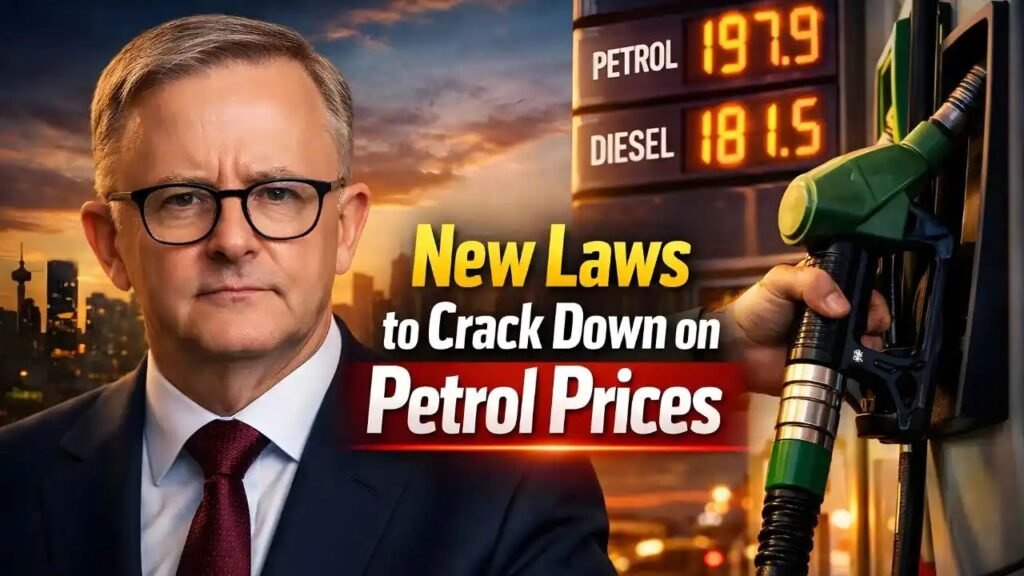
Rising petrol costs have been a major concern for households and businesses across Australia in recent years. In response, new legislation introduced in 2026 aims to strengthen oversight of the fuel market, increase transparency, and protect consumers from unfair pricing practices. While some early reports suggested the government would directly control fuel prices, the reality is more nuanced.
The 2026 reforms focus on improving market accountability rather than imposing strict price caps. The goal is to ensure that fuel retailers operate fairly, provide clear pricing information, and avoid practices that distort competition. For consumers, the changes signal a shift toward greater protection and confidence in how petrol prices are determined.
Understanding the Purpose Behind the 2026 Fuel Reforms

Fuel pricing is influenced by several complex factors, including global oil costs, currency exchange rates, refining expenses, and transportation logistics. Governments cannot directly control many of these forces, but they can regulate how companies behave within the domestic market.
The 2026 legislation was introduced after growing public frustration over sudden fuel price increases that appeared inconsistent or poorly explained. Many consumers questioned whether price spikes were justified by real supply changes or influenced by coordinated industry behavior.
By strengthening regulatory oversight, the new laws aim to create a more transparent marketplace where pricing decisions are easier to understand and less vulnerable to manipulation.
What the New Law Actually Does

Despite public speculation, the new regulations do not impose fixed petrol prices. Instead, they enhance the authority of regulators to monitor, investigate, and penalize misconduct in the fuel industry.
Expanded Monitoring Powers
Regulatory agencies now have greater capacity to collect pricing data from fuel retailers. This allows authorities to analyze price patterns across regions and identify irregular behavior more quickly.
Fuel companies are required to maintain detailed pricing records and provide explanations when significant price increases occur. This ensures that sudden changes can be reviewed and justified based on legitimate business factors.
Stronger Enforcement Mechanisms

One of the defining features of the 2026 reforms is the introduction of stronger enforcement tools. Regulators can now initiate investigations more efficiently and impose meaningful penalties when violations are confirmed.
These enforcement powers are intended to discourage companies from engaging in unfair practices and promote responsible market participation.
Tougher Penalties for Anti-Competitive Conduct
A central element of the new legislation involves increased penalties for companies that breach competition laws. Anti-competitive behavior undermines consumer trust and distorts the fairness of the fuel market.
Price Fixing and Cartel Behaviour
Companies found engaging in price fixing or forming cartels now face significantly higher financial penalties. These actions involve coordinating prices with competitors to eliminate competition and artificially raise costs for consumers.
The updated laws make it clear that such behavior will not be tolerated. Substantial penalties act as a deterrent and reinforce the importance of ethical business practices.
Misleading Pricing Practices
Deceptive pricing methods, such as advertising inaccurate discounts or failing to disclose hidden costs, are also targeted under the reforms.
Retailers must present prices clearly and ensure promotional claims reflect actual savings. Misleading consumers is treated as a serious violation under the updated rules.
A New Emphasis on Transparency
Transparency plays a central role in the 2026 fuel market reforms. By making pricing practices more visible, regulators aim to reduce confusion and increase public trust.
Clear Communication of Price Changes
Fuel retailers are expected to provide clearer explanations for price increases. When prices rise sharply, businesses may need to demonstrate that the changes reflect genuine market conditions rather than opportunistic pricing.
This transparency requirement encourages accountability and discourages unjustified price fluctuations.
Public Access to Pricing Data
Improved access to pricing information allows consumers to compare costs across different locations. This empowers drivers to make informed decisions and supports healthy competition among retailers.
Over time, increased visibility is expected to improve overall market efficiency.
Why These Changes Were Introduced
The push for fuel market reform followed widespread concern about rising petrol costs and unpredictable price cycles.
Growing Consumer Frustration
Many households faced rising transportation expenses that strained monthly budgets. Frequent price spikes created uncertainty and made it difficult for consumers to plan routine travel costs.
Public feedback highlighted a strong demand for better regulation and improved transparency.
Global Supply Challenges
Recent years have seen disruptions in global energy supply chains. Changes in production levels, geopolitical events, and logistical constraints contributed to higher fuel costs worldwide.
Although global factors remain outside direct government control, strengthening domestic market oversight helps protect consumers from unfair local practices.
What the Law Does Not Do
Understanding the limits of the new legislation is just as important as understanding its capabilities.
No Direct Price Caps
The government does not set maximum petrol prices under the 2026 reforms. Fuel costs continue to be influenced by international oil prices and currency movements.
As a result, petrol prices may still fluctuate based on global market conditions.
No Guaranteed Price Reductions
While the new laws aim to prevent unjustified increases, they do not guarantee lower petrol prices. If global oil costs rise, domestic prices may follow.
The reforms are designed to ensure fairness rather than enforce artificially low pricing.
What These Changes Mean for Consumers
Although immediate price drops are not guaranteed, the reforms offer several long-term benefits for everyday drivers.
Greater Confidence in Pricing
Consumers can feel more confident that price changes are supported by legitimate business reasons rather than hidden agreements or manipulation.
This improved transparency builds trust in the marketplace.
Increased Protection Against Unfair Practices
Stronger penalties discourage companies from exploiting market conditions. If misconduct occurs, regulators now have better tools to intervene quickly.
This level of oversight helps protect consumers from unfair financial pressure.
Better Market Competition
Transparent pricing encourages competition between retailers. When consumers can compare prices easily, businesses must remain competitive to attract customers.
Healthy competition often leads to improved service quality and more stable pricing trends.
How Businesses Are Adapting to the New Rules
Fuel retailers and distributors are adjusting their operations to comply with the updated legal framework.
Enhanced Reporting Systems
Many companies are investing in digital reporting tools to track price changes and maintain compliance records. These systems help ensure that pricing decisions can be reviewed if required.
Digital monitoring also reduces administrative delays and improves accuracy.
Greater Focus on Compliance Training
Retailers are training staff to understand competition laws and avoid risky practices. Awareness programs help employees recognize activities that may violate regulations.
This proactive approach reduces legal risks and supports ethical operations.
Long-Term Outlook for the Fuel Market
The 2026 legislation represents a strategic shift toward accountability and consumer protection.
Strengthening Market Stability
Over time, consistent enforcement of competition laws is expected to stabilize pricing patterns and reduce extreme fluctuations caused by unethical practices.
While global influences will always affect petrol prices, stronger domestic regulation creates a more balanced marketplace.
Supporting Consumer Trust
Trust plays a critical role in maintaining economic stability. When consumers believe markets operate fairly, confidence improves and spending behavior becomes more predictable.
The reforms aim to create that sense of reliability within the fuel industry.
Final Thoughts: A Step Toward Fairer Fuel Pricing
The 2026 fuel pricing reforms mark a meaningful advancement in how Australia manages its petrol market. Rather than imposing strict price controls, the government has focused on transparency, enforcement, and accountability.
For consumers, the changes offer reassurance that fuel pricing is being monitored more closely than ever before. While global market forces will continue to influence costs, stronger oversight helps ensure that price movements remain fair and justified.
In the long run, these reforms are less about short-term savings and more about building a trustworthy, transparent fuel market that benefits both consumers and businesses alike.